Menu
Menu



Top Ranked Fencers
Epee
 Sera SONG
When and where did you begin this sport?
She began fencing at junior high school in Geumsan County, Republic of Korea.
Why this sport?
Her physical education teacher suggested the sport to her.
Learn more→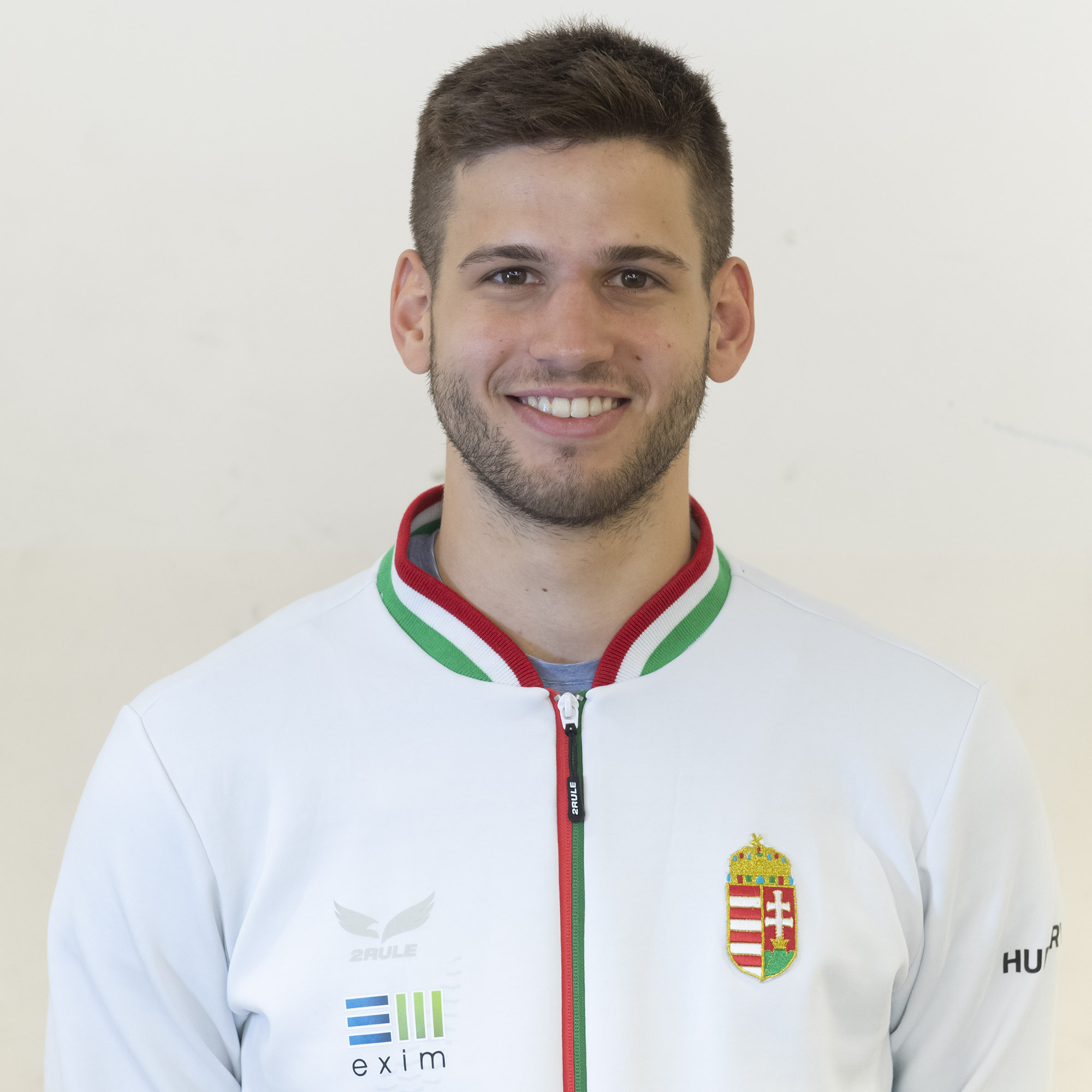 Gergely SIKLOSI
When and where did you begin this sport?
He began fencing at age seven. "I was doing it for fun until around 14 when I beat the Hungarian No. 1 at that time, and realised that this is serious, for real."
Why this sport?
"When I first tried [fencing], I felt like 'this is me'. Fencing is not only about physical or technical capabilities, it's also about mind games. It's not the fastest or the strongest who wins. It's the one who can put the whole cake together."
Learn more→Foil
 Lee KIEFER
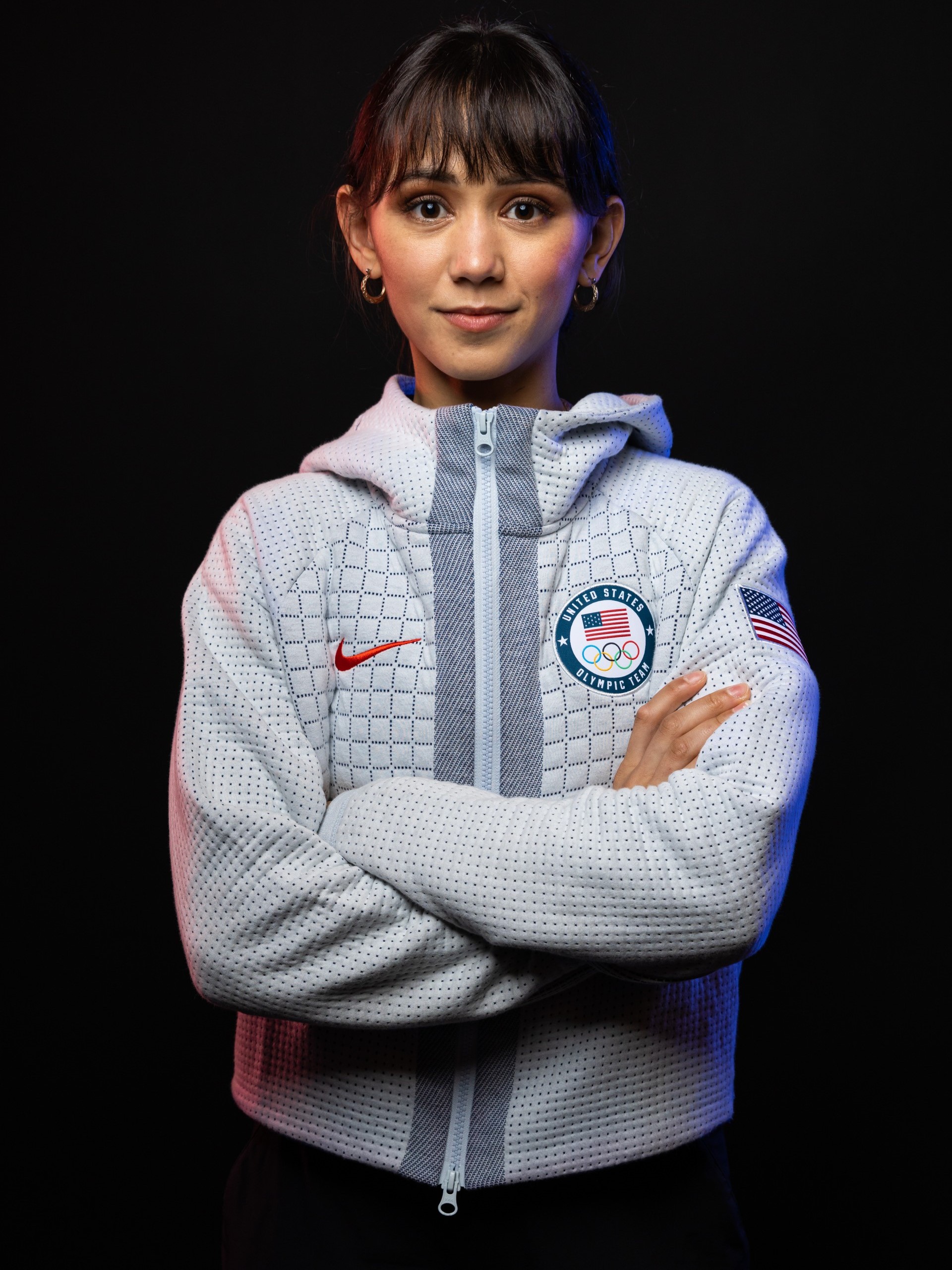
When and where did you begin this sport?
She began fencing at age six after watching her father fence at a local competition. "My siblings and I thought the sport was strange and interesting-appearing, so my dad started teaching us the basics in our empty dining room and taking us to a club twice a week that was 1.5 hours away from where we lived."
Why this sport?
She and her brother and sister followed their father, Steve Kiefer, into the sport. "Growing up my dad decided that he wanted to take up fencing again. He hadn't picked up a foil in 10 or 15 years, and me and my siblings watched him compete at a local tournament. Then he asked if we wanted to try it, and we said yes. Twenty years later I'm still doing it."
Learn more→ Chun Yin Ryan CHOI
When and where did you begin this sport?
He began fencing in grade four of primary school.
Why this sport?
His mother forced him to go to a fencing lesson. "I didn't really want to go, but my mother made me because it was run by a friend of hers and they wanted more students. But, after the class, I loved it and wanted to continue."
Learn more→Sabre
 Misaki EMURA
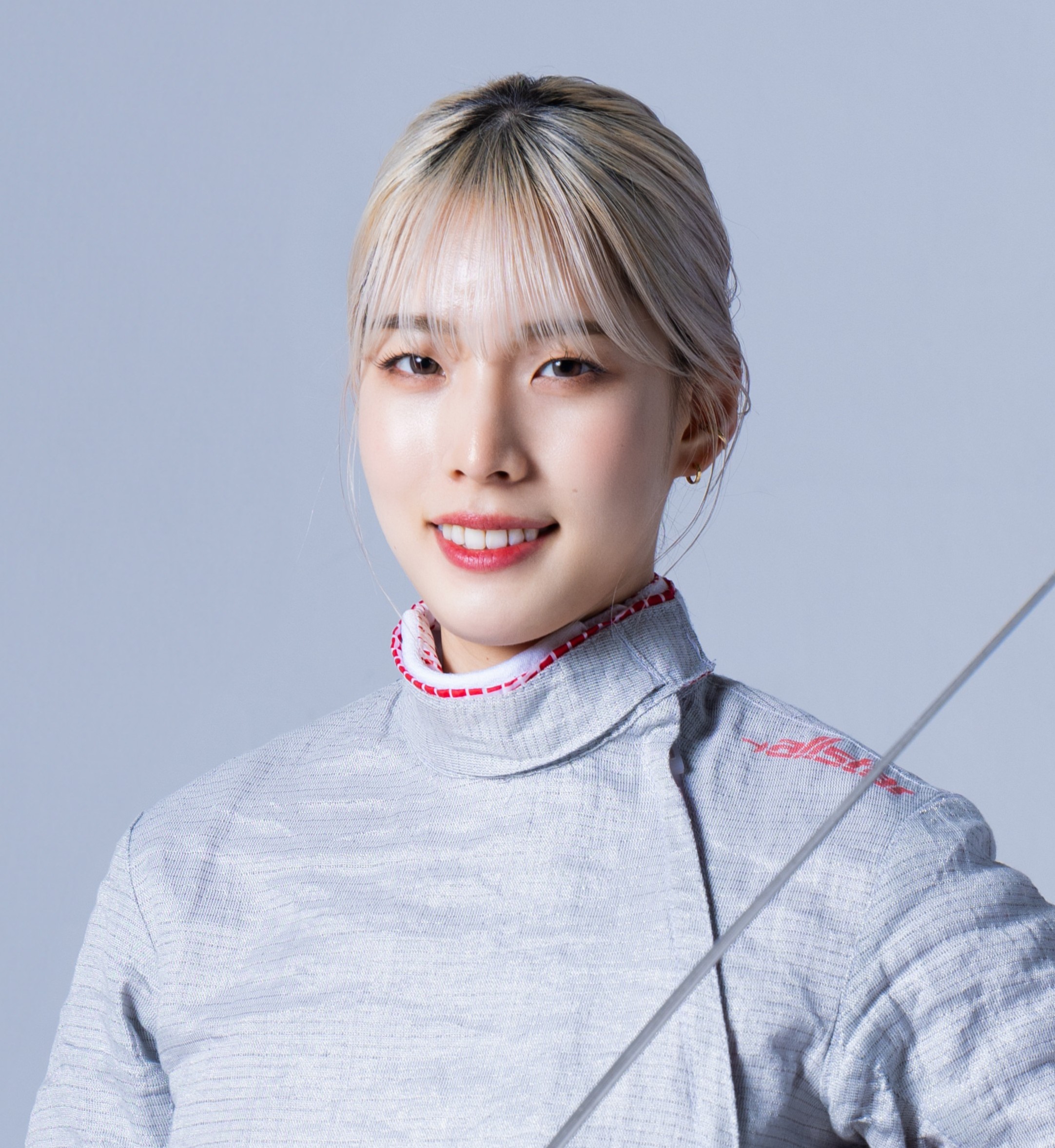
When and where did you begin this sport?
She began fencing at age nine.
Why this sport?
She was encouraged to try the sport by her parents, and went to a fencing class where her father coached. She took up foil in grade three of primary school, but competed in sabre at a competition which had a prize of a jigsaw puzzle. She then switched to sabre before starting middle school.
Learn more→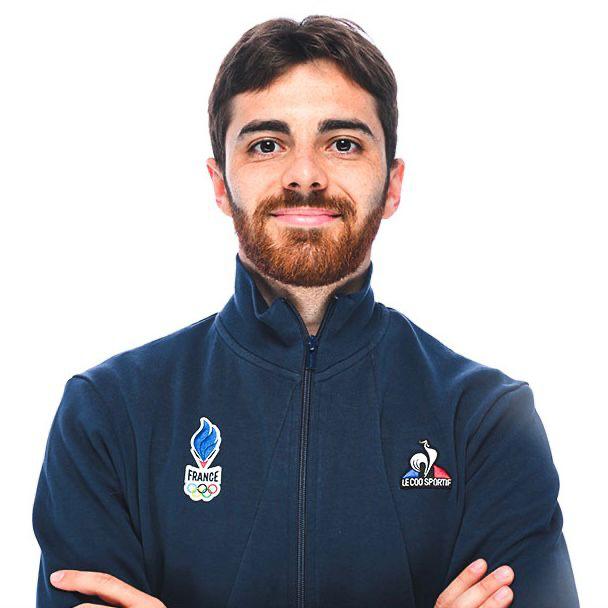 Jean-Philippe PATRICELearn more→
Results & Competitions
Latest Results
| Competition | Date | Weapon | Gender | Cat |
|---|---|---|---|---|
| Padua | 2026-03-08 | sabre | M | |
| Athènes | 2026-03-08 | sabre | F | |
| Cairo | 2026-03-08 | foil | F | |
| Cairo | 2026-03-08 | foil | M | |
| Padua | 2026-03-06 | sabre | M |
Upcoming Competitions
| Competition | Date | Weapon | Gender | Cat |
|---|---|---|---|---|
| Budapest | 2026-03-13 | epee | M | |
| Budapest | 2026-03-13 | epee | F | |
| Lima | 2026-03-20 | foil | M | |
| Lima | 2026-03-21 | foil | F | |
| Astana | 2026-03-26 | epee | M |
In addition to performance, lifestyle choices for ladyboys can include fashion, beauty standards, and interpersonal relationships. Many ladyboys choose to express themselves through feminine attire, makeup, and hairstyles, often blurring the lines between traditional masculine and feminine norms. This self-expression can be a powerful means of asserting identity and confidence.
The ladyboy culture has gained increased visibility in recent years, thanks in part to media representation. Films like "Ladyboys: The Secret Lives of Thailand's Third Sex" (2008) and "Tomboys and Ladyboys" (2014) have documented the lives and experiences of ladyboys, shedding light on their struggles and triumphs. These documentaries have helped raise awareness about the community, promoting understanding and acceptance. ladyboy moo suck a dick
The lifestyle of a ladyboy often involves a blend of traditional Thai culture and modern, global influences. Many ladyboys engage in various forms of entertainment, such as performing in cabarets, dance troupes, or as solo artists. These performances can range from singing and dancing to comedy and acrobatics, often showcasing the individual's talents and creativity. For example, the famous Simon Le Bon, lead singer of the British band Duran Duran, has expressed admiration for the ladyboy culture, even incorporating elements of it into his stage performances. In addition to performance, lifestyle choices for ladyboys
The rise of social media has also provided a platform for ladyboys to share their talents, connect with others, and build communities. Online platforms like YouTube, Instagram, and TikTok have enabled ladyboys to showcase their creativity, share their stories, and gain international recognition. For instance, the Thai ladyboy performer, Kanchana MThai, has gained a significant following on social media, using her platform to promote self-acceptance and empowerment. The ladyboy culture has gained increased visibility in
The ladyboy culture is a vibrant and multifaceted phenomenon that intersects with various aspects of lifestyle and entertainment. Through performance, self-expression, and media representation, ladyboys have been able to assert their identities, build communities, and promote understanding. As we move forward, it is essential to continue acknowledging and celebrating the diversity of human experience, including the lives and experiences of ladyboys. By doing so, we can work towards a more inclusive and accepting society for all individuals, regardless of their identity or expression.
The ladyboy culture is deeply rooted in the societal fabric of Thailand, where traditional gender roles are often more fluid than in Western societies. Here, ladyboys, also known as "kathoey," have been a part of the cultural landscape for decades, with estimates suggesting that up to 1 million individuals identify as such. The term "ladyboy" itself is sometimes considered derogatory, with "kathoey" being the preferred term among the community. However, for the sake of this essay, "ladyboy" will be used interchangeably with "kathoey" to refer to this demographic.