"Cheap junk," Elias sighed, deleting the file. He decided he’d just buy the official version in the morning.
At 2:00 AM, deep in the results of a cluttered search engine, he found it: a forum post titled The website was a dizzying mess of flashing "Download Now" buttons and pop-ups claiming his PC was already infected. Elias ignored the red flags, fueled by the thrill of a bargain. He clicked the link.
The "crack" hadn't been a tool to lock his files; it was a Trojan horse that had encrypted his entire drive from the inside out. The "serial key" he had been looking for was now held for a $2,000 ransom in Bitcoin.
But the next day, the ARCHIVE folder was gone. In its place was a single text file: YOUR_FILES_ARE_SAFE_FOR_A_PRICE.txt .
The file was small—too small. A zip folder containing a single .exe and a text file named SerialKey_READ_ME.txt . He ran the installer. For a moment, a green progress bar flickered, and then... nothing. No software launched. No activation window appeared.
He looked at , a reputable encryption tool, but the price tag made him hesitate. "There’s always a workaround," he muttered.
Elias was a freelance photographer whose life lived in a single, massive folder named ARCHIVE . It contained years of unreleased work, private contracts, and raw files he couldn’t afford to lose. Paranoid about a recent wave of local data breaches, he decided he needed to lock it down.
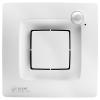 Бытовые вытяжные вентиляторы
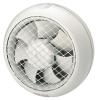 Вентиляторы для оконно-настенной установки
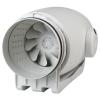 Канальные вентиляторы
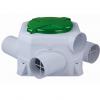 Мультизональные вытяжные вентиляторы
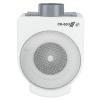 Бытовые кухонные вентиляторы
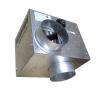 Вентиляторы для распределения теплого воздуха
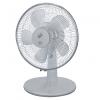 Бытовые вентиляторы
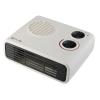 Обогреватели и конвекторы
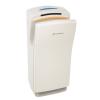 Фены и сушилки для рук
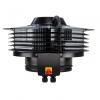 Крышные вентиляторы
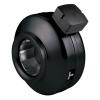 Вентиляторы с EC-двигателями
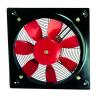 Осевые вентиляторы с монтажной пластиной
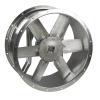 Осевые вентиляторы в цилиндрическом корпусе
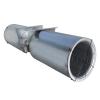 Струйные вентиляторы
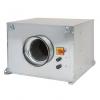 Вентиляторы в корпусе
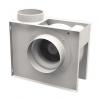 Центробежные вентиляторы
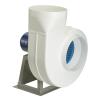 Пластиковы центробежные вентиляторы
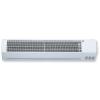 Воздушные завесы и тепловентиляторы
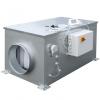 Приточные установки
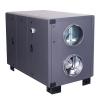 Приточно-вытяжные установки