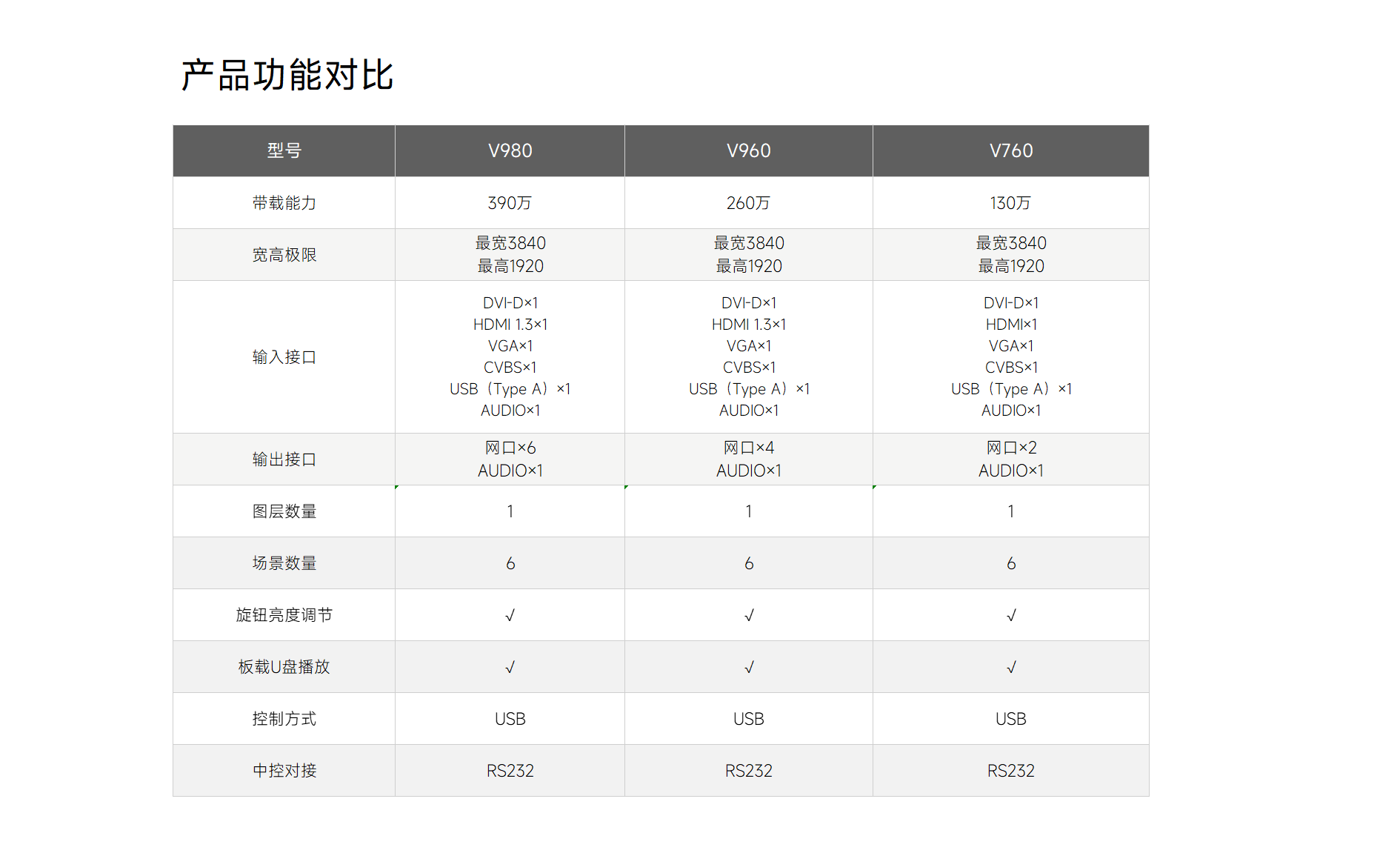
V980/V960/V760
- 功能特性
- 规格参数
- 资料下载
- 视频
- 案例项目
In the realm of digital surveillance, the development of firmware for intercepting text messages represents a significant advancement in the capabilities of law enforcement and intelligence agencies. This technology, often embedded in mobile devices or network infrastructure, enables the real-time collection and analysis of SMS and MMS communications. While it presents substantial benefits for national security and crime prevention, it also raises critical concerns regarding privacy, civil liberties, and the potential for misuse. This essay will explore the technical aspects, benefits, and ethical implications of firmware designed for intercepting text messages.
The development of firmware for intercepting text messages is a double-edged sword. On one hand, it offers powerful tools for law enforcement and national security efforts. On the other, it poses significant risks to individual privacy and digital security. As this technology continues to evolve, it is imperative that its deployment is guided by ethical considerations, legal frameworks, and technical safeguards to protect civil liberties. Balancing the need for public safety with the right to privacy will remain a critical challenge in the digital age.
Firmware for intercepting text messages operates at a low level, often requiring access to the device's communication hardware or the network protocols that govern data transmission. This can be achieved through various means, including the installation of a software agent on the target device, exploitation of vulnerabilities in the device's operating system, or integration with telecommunications infrastructure. Once deployed, such firmware can capture text messages, decode their contents, and transmit them to a central server for analysis. Advanced versions may also extract metadata, such as sender and recipient information, timestamps, and location data, providing a comprehensive view of an individual's communication patterns.
Moreover, developers and deployers of intercept firmware must prioritize security and privacy. This includes implementing end-to-end encryption for intercepted data, anonymizing metadata where possible, and regularly auditing systems for vulnerabilities.
The primary advantage of firmware for intercepting text messages is its utility in combating crime and terrorism. Law enforcement agencies can use this technology to gather evidence, track the movements and communications of suspects, and disrupt criminal networks. For instance, in cases involving kidnapping, drug trafficking, or terrorism, the ability to intercept and analyze text messages can be crucial in preventing harm and ensuring public safety. Additionally, this technology can aid in missing persons cases, where communication records may offer vital clues.
To mitigate these risks, it is essential to establish robust legal frameworks and oversight mechanisms. The deployment of firmware for intercepting text messages should be subject to judicial approval, similar to traditional wiretapping practices. Agencies seeking to use this technology must demonstrate a compelling need, and there should be rigorous checks to prevent abuse. Transparency about the use of such technology and its effectiveness in achieving public safety goals is also crucial.