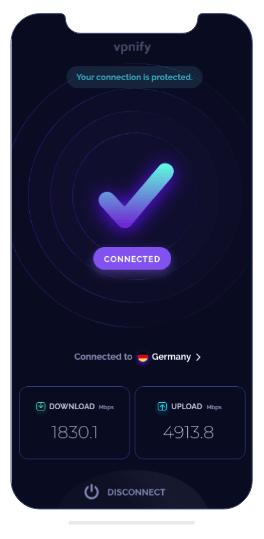
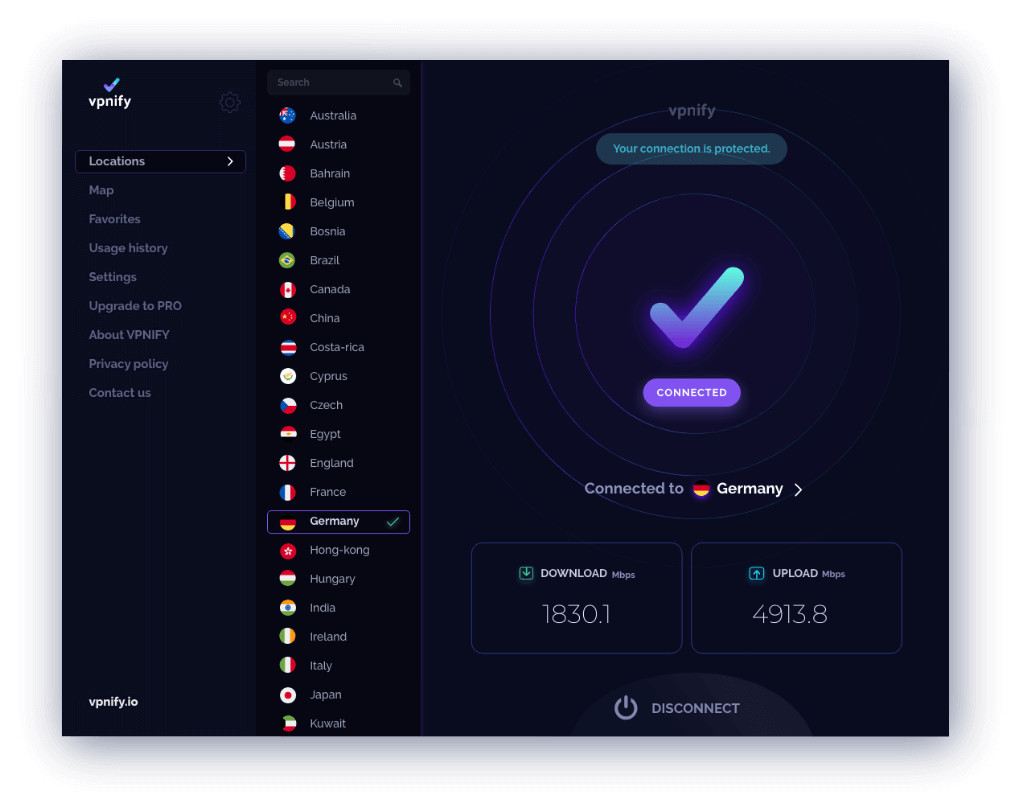
We believe in a free and open internet without borders, throttling, firewalls, blocks or restrictions. While still keeping you safe from those who want to harm you or steal your data.
Data-hungry companies around the world are selling your traffic stats, browsing and device data with their advertisers, which are stalking you across the web, thus making you a vitreous human lacking data-protection and privacy. We’re here to help! Learn more.
To get the most value, understand how these four factors (standardized by the GIA ) impact both appearance and price:
: Measures internal and external flaws. Stones graded VS1 to SI1 are often "eye-clean," meaning imperfections aren't visible without a jeweler’s loupe. buying the perfect engagement ring
The metal should complement your partner's existing jewelry and skin tone. 10 Tips for Buying a Diamond Engagement Ring - GIA 4Cs To get the most value, understand how these
Buying the "perfect" engagement ring is less about following old spending rules and more about balancing your partner’s personal style with technical diamond quality and a comfortable budget. In 2026, the trend has shifted toward intentional, value-driven choices, with over now opting for lab-grown center stones to maximize size and quality. 1. Master the "4 Cs" of Diamonds 10 Tips for Buying a Diamond Engagement Ring
: Widely considered the most important "C" as it determines the stone's sparkle. An "Excellent" or "Ideal" cut can make a diamond look larger and brighter than its actual weight.
: Refers to the weight, not the physical size. In 2026, the average natural diamond engagement ring is about 1.16 carats , while lab-grown averages are higher, around 2.0 carats , due to their lower price point. 2. Choose the Right Metal and Setting
: Graded from D (colorless) to Z (light yellow). You can often find a "sweet spot" by choosing G, H, or I grades; these appear colorless to the naked eye but cost significantly less than D-F grades.